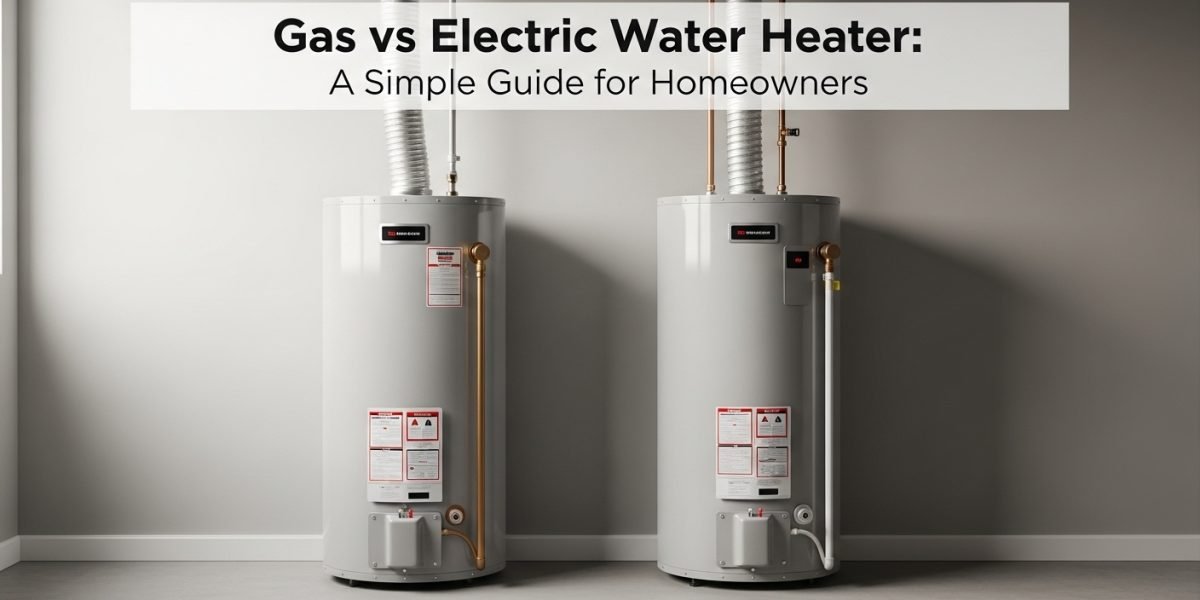
Hot water is an important part of our daily lives. We use it in the bathtub, wash dishes, laundry and so on. A water heater assists in the availability of the hot water whenever we require it. However, most individuals are confused when it comes to a choice of the type of water heater. The most common choice people face is gas vs electric water heater.
Both of them may be effective; yet, they differ in most aspects. There are homes that utilize natural gas systems, and there are homes that have electric systems. The correct decision can very often be based on your house, your budget, and the volume of the hot water consumed by your family.
In this blog, we shall discuss what gas and electric water heaters are. We will also discuss different sizes such as a 30 gallon hot water heater and a 60 gallon water heater and give tips of helpful information including draining a water heater and how to turn off a water heater in a safe manner.
Homeowners searching for a plumber in Colorado Springs can rely on our team for complete water heater solutions and expert guidance.
When comparing gas vs electric water heaters, one thing that is primarily considered by the people is the manner in which the system warms water. Natural gas or propane is used to heat the water in a gas water heater. An electric type of water heater consumes electricity and includes heating parts within the tank.
Gas Water heaters often warm water quicker. This is because you can obtain hot water quickly, especially if your family uses a lot of hot water in a short time. However, they need gas lines and ventilation.
The electric water heaters are easier to install and they do not require a gas line or a vent system. They are also less noisy in operation. They are easy and safe to operate and this is why many homeowners prefer them. Both types are able to offer hot water. This is usually based on the source of energy that is availed in your home and your choice.
Water heaters are available in many sizes. Your choice is determined by the number of people who live in your house and the volume of hot water being used by you on a daily basis. Small families or apartments are normally served with a 30 gallon hot water heater. The second one that can be considered is a 30 gallon electric hot water heater in case the house runs on electricity.
A 30 gallon gas water heater could be quicker in warming up water, in case the home utilizes gas. Hot water would be required in bigger families. A 60 gallon water heater would be a better alternative in this case. This bigger tank holds more hot water hence a number of people can use it to take a shower or use hot water without running out. Selecting appropriate size prevents the issues of low hot water or energy wastage.
Many families prefer the use of gas water heaters. They also offer good heating and have the capacity to warm water within a short duration of time. The benefit of a 30 gallon gas water heater is that it can heat water quicker than some of the electric ones can. This means the tank refills with hot water sooner after it is used. Some gas water heaters also operate when the power goes off, in case they have a pilot light system. This may assist us in areas where electricity sometimes goes out. However, gas systems can generally require ventilation and professional installation.
Electric water heaters are easy and convenient. Several houses use electric systems due to its simplicity to install and maintain. In the apartment, condo, or small houses, a 30 gallon electric hot water heater is commonly in use. It does not require a gas connection hence it is easy to install.
Electric heaters are also quiet while running. They are not associated with fumes and thus they do not need ventilation. The other advantage is safety. With electric systems, there are no gas lines and this decreases the chances of gas leakages. Although electric heaters can take longer to heat water than gas systems, they offer a steady supply of hot water to be used each day.
A water heater must be properly maintained to last for many years. One important task is draining water heater tanks regularly. As time passes, minerals and sediment have the ability to accumulate on the tank base. By draining out the water heater at least once or twice a year, you will be able to get rid of this sediment and maintain the system in proper operation.
The other basic maintenance procedure is to change the temperature setting. Most professionals recommend adjusting the thermostat at around 120°F. Connection, pipes, and valves can also be checked after some years in case of leaks and other problems.
Sometimes, you have to switch off your water heater. It is significant that a person should be aware of how to turn off the systems of water heaters safely.
For Electric Water Heaters
For Gas Water Heaters
When performing some maintenance or repair works, the following few steps can keep you safe.
The water heaters do not last forever. The majority of systems last between 8 to 12 years. After that, they start experiencing issues. Common symptoms of a heater may need replacement include rusting water, unusual sound, water leakage or absence of hot water. In case repairs are frequent, replacing the system may save money in the long term.
A water heater is one of the greatest needs in a house. Learning the difference between gas and electric water heater systems enables you to make the best purchase based on your needs. Gas heaters are quicker and are efficient in houses with high demands of hot water. Electric heaters are also simple to install and have less maintenance. Through the correct water heater, and through appropriate maintenance, your house can have a constant supply of hot water every day.
Turn off the power or gas valve.
Yes. It can save energy.
Sediment inside the tank can cause noise.
Not always. Choose the right size.
Yes. It happens after heavy use.

Trusted plumbing experts in Colorado Springs, delivering fast, reliable service for homes and businesses. Your plumbing problems are solved efficiently.