Hard water in Colorado Springs contains high levels of dissolved calcium and magnesium. These specific minerals react strongly with soap to form a thick, sticky mineral scale that coats the inside of your pipes. This scale traps everyday debris, causing recurring clogs that require professional drain cleaning to permanently resolve.
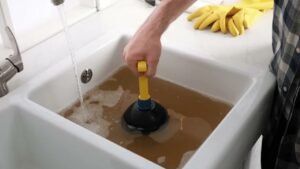
You plunge the bathroom sink, the water clears, and two weeks later the exact same pipe is backed up again. You likely blame the trapped hair, the leftover food scraps, or the cooking grease washed down the line. But the real villain behind your plumbing issues is hiding right in your water supply. At Appoint Your Plumber, we see how local mineral levels constantly choke residential plumbing systems, transforming a minor inconvenience into a stubborn, recurring nightmare.
Colorado Springs is known for having moderately hard water. While these minerals are perfectly safe to drink and bathe in, they act like a magnet for everyday debris once they enter your home’s drainage system. Understanding exactly how this water interacts with your pipes is the first step to permanently restoring your plumbing.
The Science Behind a "Hard Water Clog”
Here in Colorado Springs, our water supply travels through deep underground aquifers, picking up high concentrations of minerals like calcium and magnesium along the way. While this mineral-heavy “hard water” is safe to drink, it is quietly waging war on your residential plumbing system.
When hard water pours down your drains, these minerals undergo a nasty chemical reaction with everyday items like liquid soaps, dish detergents, hair shampoos, and body washes. Instead of rinsing away cleanly, they bond together to create a thick, sticky substance known as mineral scale (or lime soap scum).
This scale acts like plaque in an artery. It clings aggressively to the inside walls of your PVC or traditional cast-iron pipes. Layer by layer, month after month, the mineral buildup hardens and restricts the pipe’s internal diameter. What used to be a clear, wide pipeline slowly transforms into a narrow bottleneck. Once that scale coating is established, everyday debris like hair, food scraps, and cooking grease get trapped instantly, leading to severe, stubborn blockages that no plunger can clear.
How does hard water create mineral scale inside plumbing pipes?
Colorado Springs water contains dissolved calcium and magnesium picked up from natural rock formations underground. When this hard water mixes with liquid soaps, dish detergents, and body washes, an immediate chemical reaction occurs. The calcium and magnesium bond with the soap molecules to create a sticky, thick substance known as lime soap or soap scum. Over time, this substance hardens into a dense layer called mineral scale.
Mineral scale acts exactly like plaque building up inside an artery. The sticky scale clings tightly to the inside walls of your PVC or cast-iron pipes. Every single time you wash your hands or run the dishwasher, a new micro-layer of mineral scale forms.
Eventually, this thick mineral lining drastically reduces the internal diameter of the drain pipe. Because the pipe walls are now coated in a rough, uneven texture, ordinary items like loose hair and small food particles get caught immediately. This “chokehold” effect means blockages happen much faster and much more frequently than they would in a home with soft water.
What are the warning signs of mineral scale clogs in my home?
Homeowners can easily self-diagnose hard water mineral buildup before a complete pipe blockage occurs. Look for these specific indicators throughout your house:
- Recurring Blockages: You clear a sink clog using standard household tools, but the water stops draining in the exact same spot just a few weeks later. The scale remains behind to trap new debris.
- White Crust on Fixtures: Visible chalky scale buildup on your kitchen faucets and showerheads serves as a clear warning. The exact same mineral calcification is happening inside your hidden wall pipes.
- Slow Drains Throughout the House: Multiple sinks or showers draining sluggishly at the exact same time point to a deeper blockage in the main sewer line, rather than a localized obstruction in a single P-trap.
- Gurgling Noises: Air gets trapped behind the rough, mineral-coated pipe walls. When water tries to push past the narrow opening, you will hear a distinct gurgling sound coming from the affected drain.
Why do DIY drain cleaning methods fail against hard water scale?
When faced with a backed-up sink, most homeowners reach for quick DIY fixes. Unfortunately, standard plumbing tools cannot defeat rock-hard calcium deposits.
Plungers only shift loose, soft debris back and forth. A standard plunger cannot scrape crystallized mineral scale off solid pipe walls.
A standard drain snake or hand auger will merely punch a temporary, narrow hole through the center of the obstruction. The thick mineral lining remains securely attached to the pipe walls. This leaves the pipe ready to trap the next strand of hair or food scrap the moment you pack up your tools.
Chemical drain cleaners pose an even greater risk to your home. Pouring highly acidic or basic liquids down scale-heavy pipes is dangerous. The harsh chemicals sit directly on the rough mineral surface, generating intense localized heat. This chemical reaction can easily soften modern PVC pipes or erode older metal plumbing lines without ever dissolving the actual scale buildup. To remove this hardened buildup safely, you will need a professional Colorado Springs drain cleaning service to scour the pipe walls clean.
How can I protect my plumbing system from hard water damage?
You can take immediate proactive steps to stop mineral scale from destroying your plumbing lines.
First, switch to synthetic laundry detergents or specialized body washes. Traditional bar soaps react aggressively with hard water minerals, accelerating the formation of thick lime soap. Synthetic soap alternatives are chemically formulated to rinse cleanly away, leaving far less residue behind in your drains.
For long-term prevention, install a whole-home water softener. A water softening system completely eliminates the root cause of the problem by neutralizing the calcium and magnesium before the water ever enters your drainage system. Without those hard minerals present, soap scum cannot form, and your pipes will remain entirely clear of damaging mineral scale.
When should I schedule professional drain cleaning in Colorado Springs?
Routine plumbing maintenance is always significantly cheaper than tearing out structural plumbing lines once they completely calcify. If your drains are already running slow, it is time to scour away years of hidden mineral buildup before a major leak or backup occurs.
Don’t let hard water destroy your plumbing system. Contact Appoint your plumber today to schedule a comprehensive Colorado Springs drain cleaning and professional unclog service to restore your pipes to factory-clean condition.
Frequently asked questions about hard water in Colorado Springs